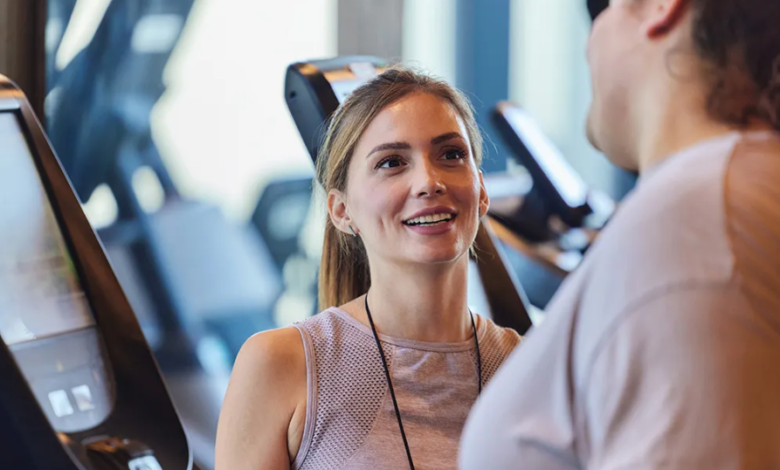
Why group fitness leadership makes a difference
Group fitness classes are more than workouts. They are shared experiences that bring people together through movement, energy, and motivation. A strong instructor can turn a simple class into something people look forward to every week. Energy, clarity, and connection all play a role in keeping participants engaged.
For education focused platforms like CPR Certification Now, safety and clear instruction are essential. High energy does not mean chaos. It means guiding a group with confidence while keeping movements safe and effective. When instructors lead with purpose, participants feel motivated and supported.
Great group instruction builds community, consistency, and confidence.
Understanding the role of a group fitness leader
A group fitness instructor does more than count reps. They manage the room, set the tone, and keep participants focused. Leadership skills are just as important as physical ability.
Key responsibilities of a group fitness leader include:
- Demonstrating movements clearly
- Giving simple and effective cues
- Managing time and class flow
- Encouraging participants at all levels
Instructors must balance energy with awareness. Watching the group and adjusting pace helps ensure everyone feels included and safe.
Leadership creates trust and consistency in every session.
Creating high energy without losing control
High energy classes should feel exciting, not overwhelming. Energy comes from enthusiasm, confidence, and clear direction. It does not require shouting or rushing.
Effective ways to build energy include:
- Upbeat and confident voice tone
- Clear transitions between exercises
- Positive encouragement
- Strong body language
Energy should rise and fall naturally during the class. Warm ups ease participants in. Peak moments challenge them. Cool downs bring calm. This flow keeps participants engaged and comfortable.
Controlled energy supports better performance and enjoyment.
Structuring a successful group fitness session
A clear structure helps participants feel confident and prepared. When people know what to expect, they can focus on movement instead of confusion.
A strong class structure often includes:
- Warm up to prepare the body
- Main workout section
- Strength or conditioning focus
- Cool down and stretching
Transitions should be smooth and explained clearly. Instructors should avoid long pauses or rushed changes. Structure creates rhythm and keeps energy steady.
Consistency helps participants return regularly.
Cueing clearly for large groups
Clear cueing is essential in group fitness. Participants rely on verbal and visual guidance to move safely. Good cues are short, simple, and well timed.
Effective cueing tips include:
- Use common and easy language
- Cue before the movement starts
- Repeat key points when needed
- Demonstrate whenever possible
Over cueing can confuse participants. Instructors should focus on the most important points. Clear cues help prevent injury and improve confidence.
Good communication keeps the class flowing smoothly.
Managing different fitness levels in one class
Group classes often include participants with different abilities. A good instructor plans for this and offers options without drawing attention.
Ways to support mixed levels include:
- Offering easier and harder options
- Encouraging participants to move at their pace
- Avoiding comparisons
- Reinforcing that rest is allowed
Inclusive instruction makes everyone feel welcome. Participants are more likely to return when they feel respected and supported.
Adaptability is a key skill for group fitness leaders.
See also: The Impact of Smart Wearables on Healthcare
Keeping safety at the center of high energy classes
Safety should never be sacrificed for intensity. High energy instruction still requires proper form, rest, and awareness.
Important safety practices include:
- Demonstrating proper technique
- Watching for signs of fatigue
- Encouraging hydration
- Reminding participants to listen to their bodies
Instructors should always prioritize quality movement over speed. A safe class builds trust and protects long term participation.
Education focused communities value instructors who put wellbeing first.
Motivation that builds confidence
Motivation should lift participants up, not pressure them. Encouragement works best when it feels genuine and supportive.
Positive motivation strategies include:
- Recognizing effort, not just performance
- Using inclusive language
- Celebrating participation
- Keeping feedback encouraging
Participants come to group classes for support and energy. When instructors motivate with kindness, people feel empowered rather than judged.
Confidence grows when motivation feels safe.
Using music and timing effectively
Music plays a big role in group fitness energy. It sets the pace and mood of the class. Good timing between music and movement keeps participants engaged.
Helpful music tips include:
- Choose a steady and clear beat
- Match music tempo to exercise intensity
- Adjust volume so cues are still heard
- Use music to support transitions
Music should enhance the experience, not distract from instruction. When used well, it keeps the class moving together.
Building community within the class
Group fitness thrives on connection. Participants often return because of how the class makes them feel, not just the workout itself.
Ways to build community include:
- Greeting participants by name
- Encouraging group effort
- Creating a welcoming atmosphere
- Acknowledging regular attendance
A sense of belonging increases consistency. When participants feel part of a group, they are more likely to stay committed.
Community turns classes into shared experiences.
Managing instructor energy and burnout
Leading high energy classes takes effort. Instructors must care for their own energy and health to stay effective.
Self care strategies include:
- Scheduling rest days
- Staying hydrated
- Varying class formats
- Maintaining personal fitness safely
Sustainable instruction requires balance. Instructors who manage their own wellbeing can lead with consistency and enthusiasm.
Healthy instructors set a positive example.
Education for group fitness professionals
Strong instruction skills come from learning and practice. Education helps instructors improve cueing, class design, and leadership confidence.
Education supports instructors by helping them:
- Plan effective classes
- Manage group dynamics
- Maintain safety standards
- Build professional confidence
Those interested in developing these skills further can get more info here. Well prepared instructors create better experiences for participants.
Growing as a group fitness leader
Mastering high energy group fitness instruction is a process. Skills grow with experience, feedback, and continued learning. Great instructors remain open to improvement.
Growth focused habits include:
- Reflecting after each class
- Listening to participant feedback
- Continuing education
- Staying adaptable
Leadership improves when instructors stay curious and committed to growth.
Leading with energy and purpose
High energy group fitness instruction is about more than intensity. It is about leadership, safety, and connection. When instructors guide with clarity and enthusiasm, participants feel motivated and supported.
For education and safety focused audiences, this approach fits naturally. Structured classes, clear cues, and inclusive energy create positive experiences. Group fitness becomes a space where people feel strong, confident, and connected.
Leading the pack means setting the standard. With preparation, empathy, and passion, group fitness instructors can create classes that inspire people to move, return, and grow together.