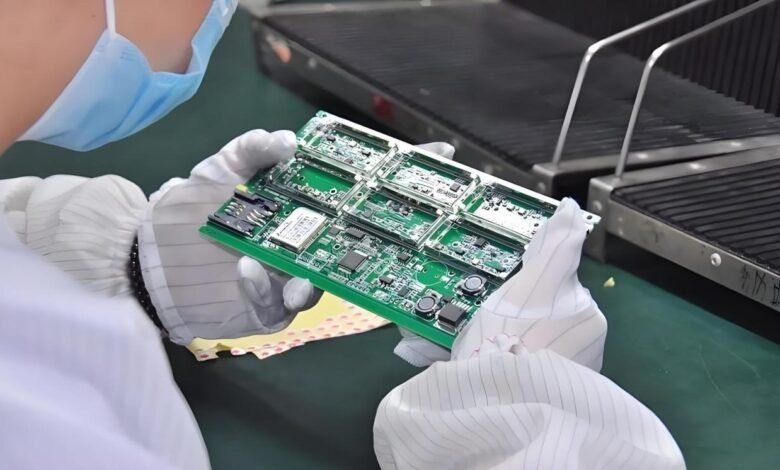
In hardware development, speed and precision determine how quickly a product can move from idea to market. During the critical EVT (Engineering Validation Test) and DVT (Design Validation Test) stages, engineering teams need reliable prototypes to confirm design integrity, identify weaknesses, and verify performance. This is where quick turn PCB prototyping becomes indispensable for accelerating validation and ensuring product readiness.
EVT/DVT Importance
The EVT and DVT stages serve as the technical gatekeepers before mass production. EVT focuses on verifying circuit functionality and layout accuracy, while DVT validates design robustness, manufacturability, and compliance. Any delay in these stages can cause costly project overruns and late market entry. Having rapid, accurate prototype boards on hand allows engineers to test, modify, and iterate designs faster—reducing downtime and uncertainty.
Need for Fast Validation
Time-to-validation directly impacts time-to-market. In fast-paced industries such as consumer electronics and automotive, every week saved in EVT or DVT can make a major competitive difference. Quick turn prototype PCB assembly shortens lead times by integrating fabrication and assembly under one coordinated workflow. This eliminates waiting between vendors and ensures that each board iteration is built and tested in days instead of weeks.
Cycle Reduction
Traditional PCB prototyping often involves fragmented processes—outsourcing manufacturing, sourcing components, and managing logistics separately. This fragmentation introduces risk and delays. A rapid prototyping approach with a single provider ensures faster order-to-delivery cycles, helping teams compress validation timelines and achieve more design loops within the same project window. More iterations mean better optimization before production.
See also: Carga de Entrenamiento: The Ultimate Guide to Smart Training Load for Long-Term Success
Design Debugging Advantages
During EVT/DVT, design debugging is critical. Each new prototype must integrate firmware updates, mechanical adjustments, and electrical refinements. Quick turn PCB prototyping for EVT/DVT stages enables engineers to quickly test new fixes, gather data, and resolve issues without extended downtime. This agile feedback loop reduces rework risk and enhances final design stability.
Test-Readiness Improvements
Fast prototyping also accelerates the path to formal testing and certification. By rapidly producing functional, production-quality prototypes, teams can begin electrical, thermal, and compliance testing much earlier. This early validation helps reveal latent issues—such as signal integrity problems or component fitment errors—long before mass production, saving high cost and effort later.
FastTurn’s Capabilities
FastTurn PCB provides quick turn PCB prototyping solutions engineered specifically for EVT and DVT needs. The company integrates in-house PCB fabrication, turnkey assembly, and component sourcing to streamline development cycles. With advanced DFM/DFA reviews, same-day builds, and precision testing, FastTurn enables hardware teams to move from prototype to validation with unmatched speed and reliability.
Conclusion
EVT and DVT are pivotal stages where design performance and manufacturability meet reality. Delays or errors in these phases can derail launch schedules and increase costs. Partnering with an experienced provider like FastTurn PCB empowers engineering teams to accelerate validation cycles, improve debugging accuracy, and achieve faster, more confident product readiness. In today’s high-velocity hardware landscape, quick turn PCB prototyping isn’t just a convenience—it’s a competitive necessity.