Introduction
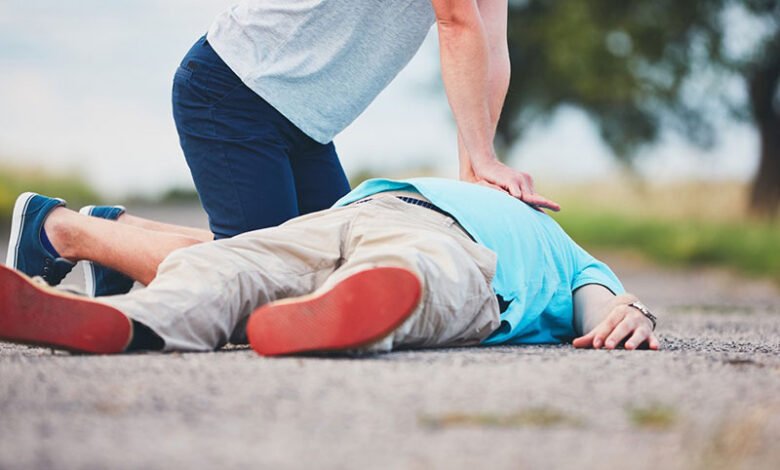
A sudden collapse is frightening—whether it happens at home, at work, or in public. When someone falls down, becomes unresponsive or stops breathing, every second matters. Recognizing the signs early can give you the chance to act, help the person, and possibly save a life. In this article, we’ll discuss what to look for, how to react quickly, and when to start life‑saving steps. Visit the website to learn more about how you can prepare yourself with training.
What a Sudden Collapse Might Indicate
A person who collapses suddenly may be experiencing a serious medical emergency. Some of the key warning signs include:
- Loss of consciousness or collapse without warning: Someone falls down or becomes unresponsive all of a sudden.
- No breathing or abnormal breathing: They may appear to be gasping or not breathing at all.
- No detectable pulse: The heart may have stopped pumping effectively.
- Sudden onset of other symptoms: Prior to collapse, there might be chest discomfort, palpitations, shortness of breath, or weakness.
Even if the cause isn’t immediately clear, a collapse like this should be treated as an emergency until proven otherwise.
What You Should Do Immediately
When you witness a sudden collapse, your response matters. Follow these key steps:
- Check responsiveness: Gently shake the person or speak loudly to ask if they’re okay.
- Call for help right away: If the person doesn’t respond and is not breathing or breathing poorly, call emergency services.
- Begin CPR if trained: If you know how to perform CPR, start immediately—compression first, rescue breaths if trained.
- Use an AED if available: If there’s an automated external defibrillator nearby, get it and follow the prompts while CPR continues.
- Stay with the person: Continue until emergency responders arrive or the person shows signs of life (breathing, movement, or consciousness).
Why Acting Quickly Matters
When someone collapses because of cardiac arrest or other life‑threatening causes, every minute without intervention reduces the chance of a good outcome:
- The brain and vital organs lose oxygen when the heart stops working, and damage begins within minutes.
- The earlier CPR and defibrillation are started, the better the chances of survival and recovery.
How to Recognize Sub‑Signs Before Collapse
Sometimes, the full collapse happens without warning; other times there are subtle clues beforehand. You might notice:
- Palpitations (feeling the heart fluttering)
- Sudden shortness of breath or unusual fatigue
- Chest discomfort, faintness, or light‑headedness
These symptoms don’t always lead to collapse—but if they occur, especially in someone with heart disease, it’s better to be alert and seek help early.
Training and Preparedness Make a Difference
Knowing what to do is as important as noticing the signs. Proper training helps you act confidently when seconds count:
- Training teaches you how to assess responsiveness, breathing and pulse correctly.
- You’ll learn how to perform chest compressions and, if trained, rescue breaths.
- You’ll know how to use an AED, recognise when to switch roles with someone else, and stay safe while helping.
By taking a certified course, you turn the possibility of “what should I do” into “I know what I’m doing”.
Conclusion
A sudden collapse is a serious alarm bell—one that calls for immediate action. Recognising the signs, calling for help quickly, and beginning life‑saving steps can be the difference between life and death. If you’re ready to gain the confidence and skills to act in these moments, visit the website to explore training options with CPR NOW . Don’t wait—be prepared for when every second counts.