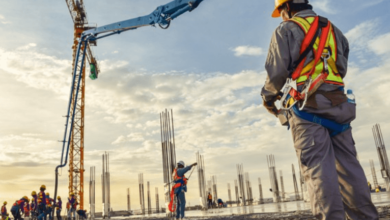
Property development can be a rewarding venture—financially, professionally, and creatively. But it also comes with complexities that require careful planning and informed decision-making. Whether you’re considering transforming an empty lot, renovating an existing building, or breaking ground on a new commercial project, understanding the essentials will help you navigate the process with confidence. Here’s what every property owner and aspiring developer needs to know before starting.
1. Start With a Clear Vision and Defined Objectives
Successful development begins with a clear understanding of your project goals. Ask yourself:
- What type of property are you developing? (Residential, commercial, mixed-use)
- Who is your target market?
- What financial outcomes are you hoping to achieve—rental income, resale value, or long-term appreciation?
A defined vision helps guide every decision that follows, from selecting the site to designing the layout and choosing materials. Without clarity, projects can become delayed, over-budget, or misaligned with market demand.
2. Conduct Thorough Market Research
Market demand is the backbone of a profitable project. Research local and regional trends to determine if your vision aligns with actual demand. Consider:
- Population growth in the area
- Demographics and income levels
- Local real estate supply and demand
- Rental or resale pricing trends
- Neighborhood developments that could increase property value
Failing to assess market feasibility could lead to a beautifully built property that no one wants.
3. Choose the Right Location—Not Just a Good Location
Real estate experts often say, “Location is everything,” but for developers, the right location is more than just an attractive neighborhood. Evaluate:
- Access to major roads and transportation
- Visibility and foot traffic (for commercial projects)
- Zoning restrictions
- Proximity to amenities and services
- Environmental risks (flood zones, soil stability, etc.)
A great design can’t overcome a bad location, and zoning limitations can derail even the most exciting ideas.
4. Understand Zoning and Legal Requirements
Before you move forward with your project, take time to review local zoning ordinances, building codes, and permit regulations. These rules can greatly influence what you’re allowed to build and how the development must be designed. Depending on the area, restrictions may include:
- Maximum building height
- Setback requirements and property boundary limitations
- Approved land use (residential, commercial, or mixed-use)
- Minimum parking requirements
- Environmental reviews or impact studies
Overlooking any of these factors can lead to expensive design revisions, project delays, or even permit denials. To avoid these setbacks, consider consulting with a zoning or construction law attorney in Utah who understands local regulations. Their guidance can help you navigate legal requirements efficiently, saving you time, money, and stress.
5. Build the Right Team
Property development is a collaborative effort. Surround yourself with professionals who can guide you through the technical, regulatory, and financial challenges. Your team may include:
- Architect or designer
- Civil or structural engineer
- General contractor
- Real estate attorney
- Project manager
- Accountant or financial advisor
While it may be tempting to cut costs by wearing multiple hats, the experience of qualified experts will protect your investment and help avoid unforeseen mistakes.
See also: Unlocking Business Visibility with 3D Lettering Solutions
6. Plan Your Budget—and Add a Contingency Fund
Development projects nearly always cost more than expected. Hidden structural issues, fluctuating material costs, or labor shortages can arise unexpectedly. Your budget should include:
- Land purchase or acquisition costs
- Design and engineering fees
- Construction costs
- Permitting and inspection fees
- Financing expenses (interest, loan fees)
Add a contingency of at least 10–15% to cover unplanned overages. A solid budget reduces financial stress and protects the viability of your project.
7. Secure the Right Financing
Traditional bank loans aren’t the only option. Depending on the size and scope of your project, alternatives include:
- Construction loans
- Investor partnerships
- Private or hard money lenders
- Government development incentives
Before committing, evaluate interest rates, repayment terms, and whether financing aligns with your project timeline.
8. Monitor Construction Progress Closely
Even with the best team in place, it’s crucial to stay engaged during construction. Regular site visits and progress updates ensure:
- Work remains on schedule
- Quality meets expectations
- Budget isn’t exceeded
- Problems are identified early
Proactive oversight helps minimize delays and costly change orders.
9. Think Long-Term: Property Management and ROI
Developing a property is only part of the process—what happens after completion matters, too. Decide whether you will:
- Sell the property for a one-time profit
- Rent it to create passive income
- Hire a property manager or manage it yourself
Consider long-term cash flow, maintenance costs, and potential tax implications when determining your strategy.
Final Thoughts
Property development offers incredible opportunities, but success depends on planning, research, and the willingness to make informed decisions. By understanding the essentials—choosing the right location, assembling a skilled team, managing your budget, and preparing for long-term ownership—you set yourself up to navigate challenges with confidence and maximize your return on investment.
With the right foundation, your vision can become a valuable and profitable reality.